Interior & Lifestyle
Quvvat Dumbbells
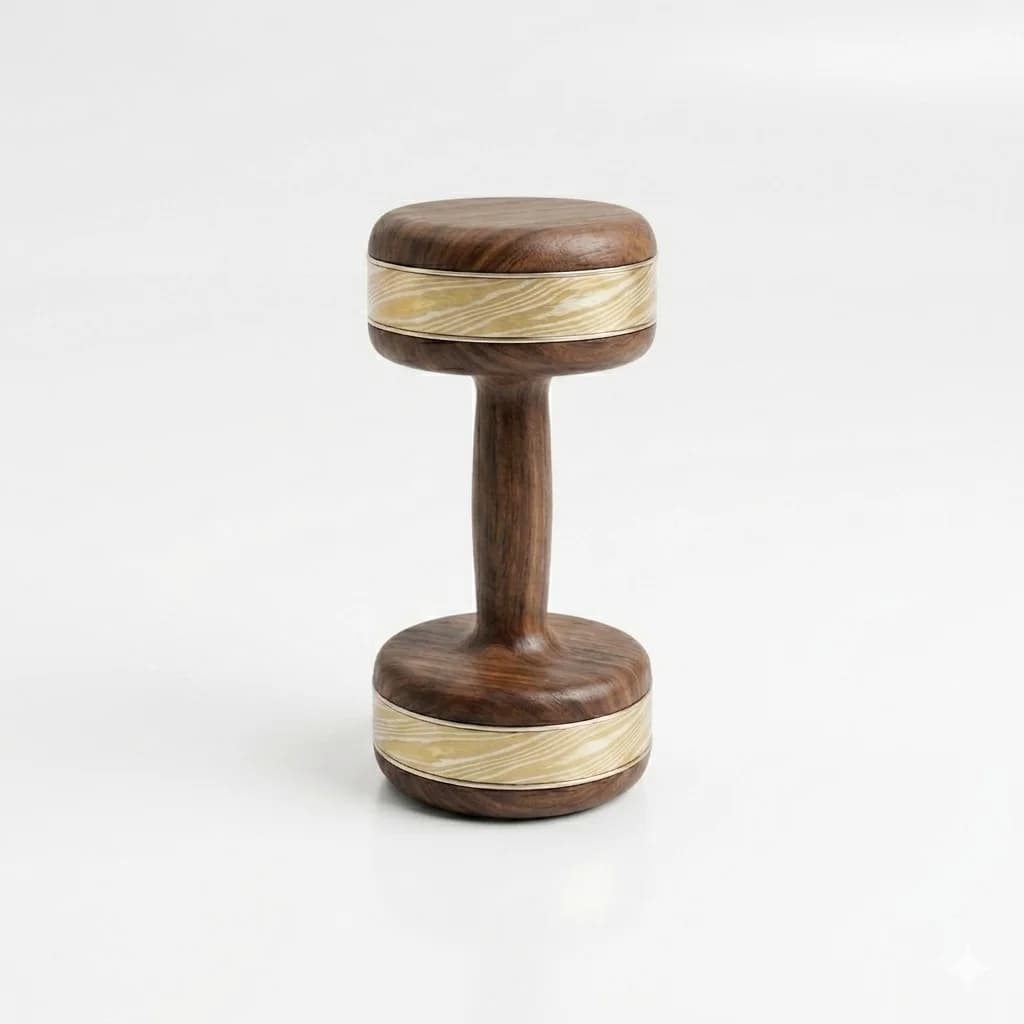
Mokume-gane (gold, silver, copper), solid walnutPrice on request
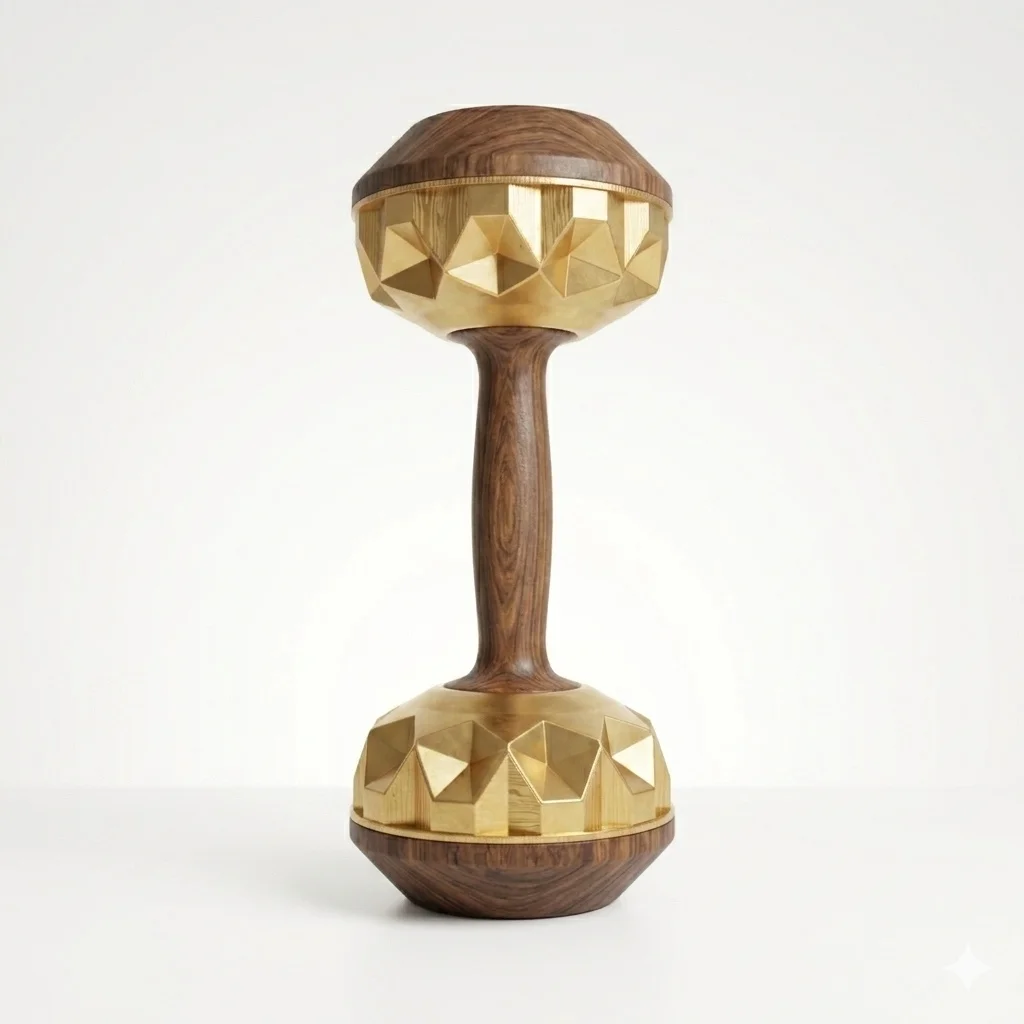
Mokume-gane (gold, silver, copper), solid walnut
Handcrafted · Passport and serial number · One-of-a-kind pattern
Muqarnas — the faceted ornament of Bukhara's vaults — takes form in the heads of the dumbbells. Each facet catches the light, shifting the pattern of the surface with every movement of the hand. Mokume-gane joins layers of gold, silver and copper into a pattern that cannot be repeated. The walnut handles settle naturally into the palm, bringing jeweller's work together with the touch of solid wood.
Our master jewelers handcraft unique creations using the techniques of Mokume-gane and Damascus steel, where metal transforms into art.
Mokume-gane is a fusion of noble metals whose intricate patterns resemble natural wood grain. By combining this method with the tradition of Damascus steel, we create pieces with true character — durable, noble, and one of a kind.
Both techniques are based on working with layered materials, but their composition and purpose are fundamentally different.
Damascus steel is traditionally made from steel and is used primarily for blades. Its contrasting pattern emerges from differences between the steel layers and subsequent surface treatment.
Mokume-gane is made from coloured and precious metals and is valued primarily for its unique visual pattern, which emerges as the inner layers of the material are revealed.
This depends on the metals used. Copper and its alloys darken over time, while gold and silver undergo comparatively little change. The contrast of the pattern generally becomes deeper with age.
The number of layers depends on the technique and the purpose of the object. Smaller works may contain only a few layers, while more complex billets can contain several dozen.
The number of layers affects the density and character of the future pattern, but a greater number of layers alone does not determine its complexity. The thickness of each layer and the method of subsequent deformation also play an important role.